Picture of the Week #86

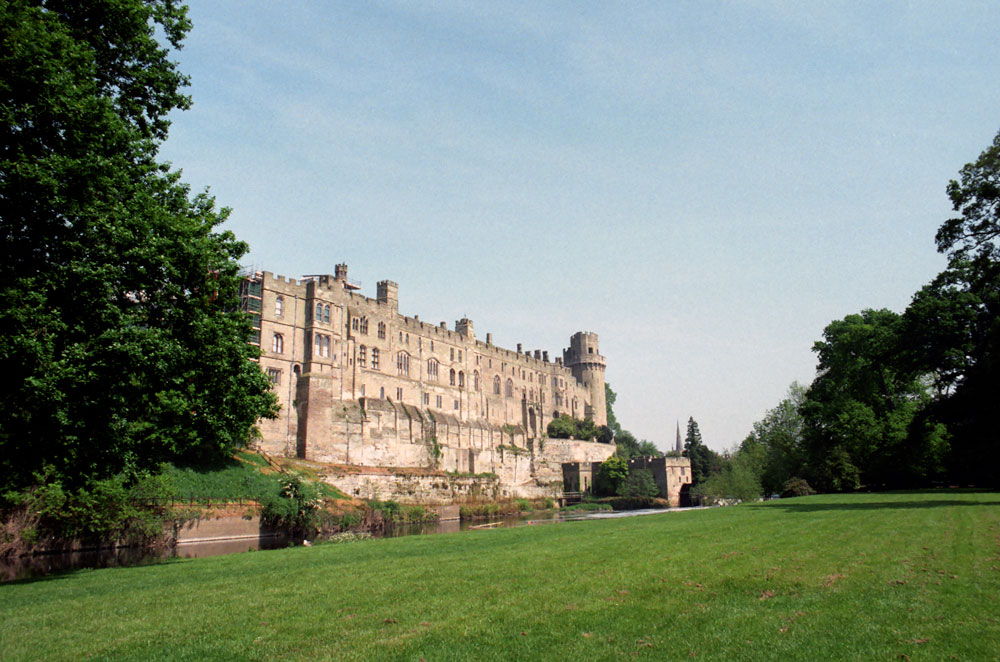
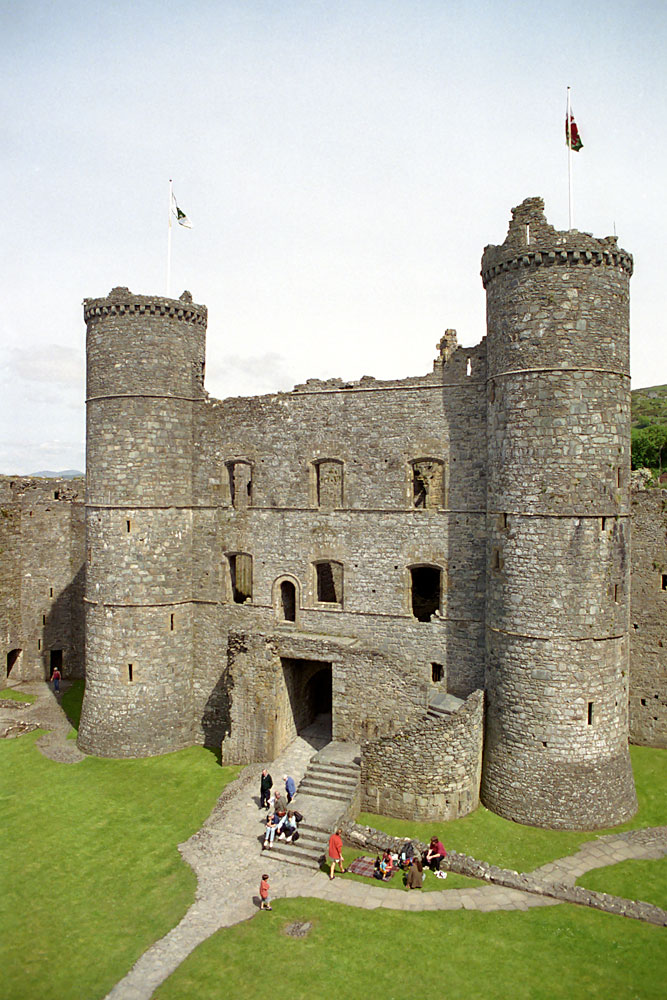
A section of Lord Leycester Hospital, Warwick. Photo May 1998.

The Lord Leycester Hospital is named in honor of Robert Dudley, Earl of Leicester, who came in to possession of the old medieval guildhall buildings and chapel (which range from Norman to 14th century). Dudley created the Hospital as a retirement facility for old soldiers and their wives, a function it still serves today.

This is another place on my “to visit again” list since I didn’t actually get a chance to go in to the building when I was there in 1998.
Picture of the Week #79

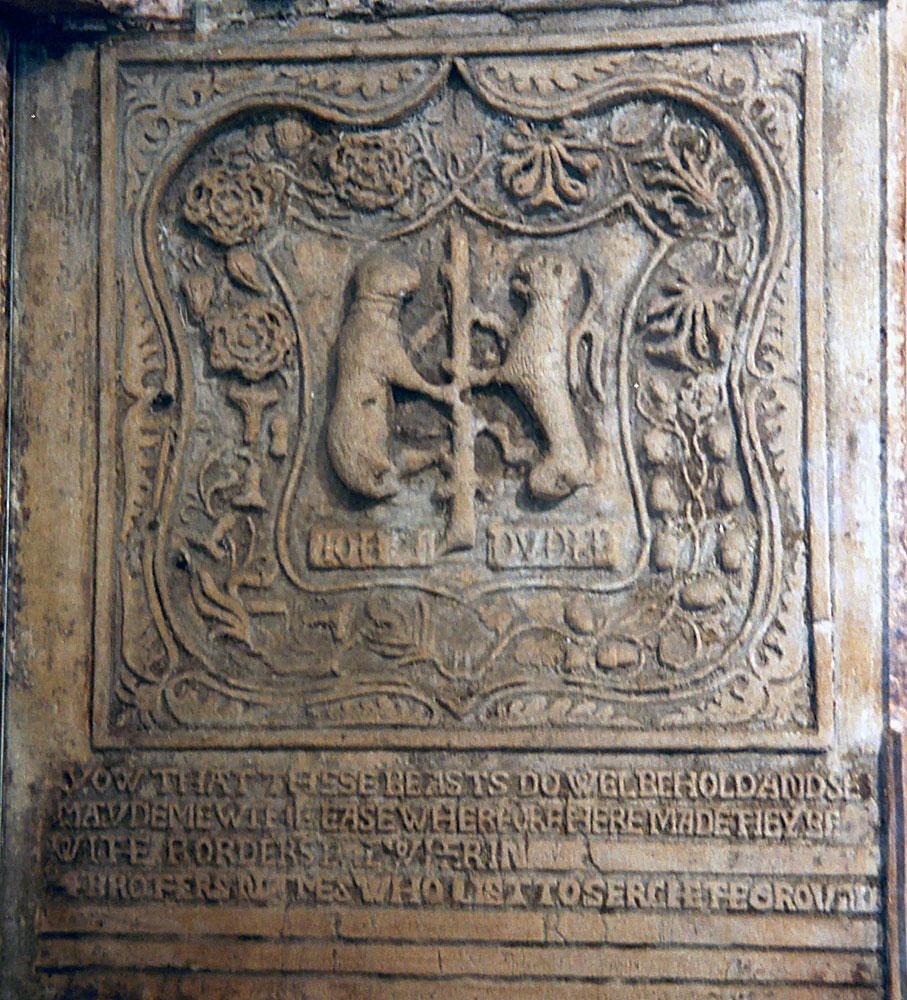
Carving in the Beauchamp Tower of the Tower of London. Photo May 2003.

This carving was done by John Dudley (the son of John Dudley Duke of Northumberland) while he and his brothers were held in the Beauchamp Tower following the short reign of Lady Jane Grey and the Wyatt Rebellion in the reign of Mary I.

The carving reads: “You that these beasts do well behold and see, may dem with ease wherefore here made they be, with borders eke within [there may be found] 4 brothers names who list to search the ground.”

Picture of the Week #76

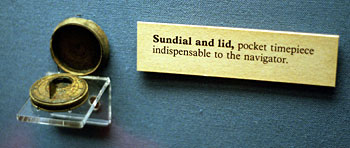
Watch bell recovered from the Mary Rose. Photo June 2000.

The info card reads:

This cast bronze watch bell, found beneath the aftercastle in June 1982, was one of the last objects to be raised from the Mary Rose. The inscription, in Flemish, reads: IC BEN GHEGOTEN INT YAER MCCCCCX – It was cast in the year 1510 (the year before the ship was launched). Close by, the remains of a wooden bell hanger were recovered. The clapper would have been made of iron but it did not survive.

The bell was probably made by Peter van den Ghein I of Mechlin who cast bells for Iona Cathedral and Peterhouse, Cambridge.

Picture of the Week #70

Stained glass window in St. Gredifael’s Church, near Penmynydd, Wales. Photo May 2000.

Penmynydd is on the Isle of Anglesey, off the northwest coast of Wales. The area is ancenstral land of the Tudors and the great-great aunt and uncle of Henry VII are buried at the church.

The lettering around the window translates from the Welsh to “Unity is like a rose on a river bank, and like a House of Steel on the top of a mountain”. The Welsh of “House of Steel” is Ty Dur, or Tudor.

The top part of the window are parts of the royal regalia of England, the middle is a cluster of Tudor roses and the bottom part is a portcullis, which was the symbol of the Beaufort family.

This was the window that I mentioned back in 2007 had been smashed by vandals. If I remember correctly, it has since been restored, and I think they were able to incorporate some fragments of the original back in to the new window.