
Wax figure of Katherine Parr at Madame Tussauds London. Photo May 1998.

Wax figure of Katherine Parr at Madame Tussauds London. Photo May 1998.

Wax figure of Kathryn Howard at Madame Tussauds London. Photo May 1998.

Wax figure of Anne of Cleves at Madame Tussauds London. Photo May 1998.
I think this is my favorite of the group. 🙂

Wax figure of Jane Seymour at Madame Tussauds London. Photo May 1998.
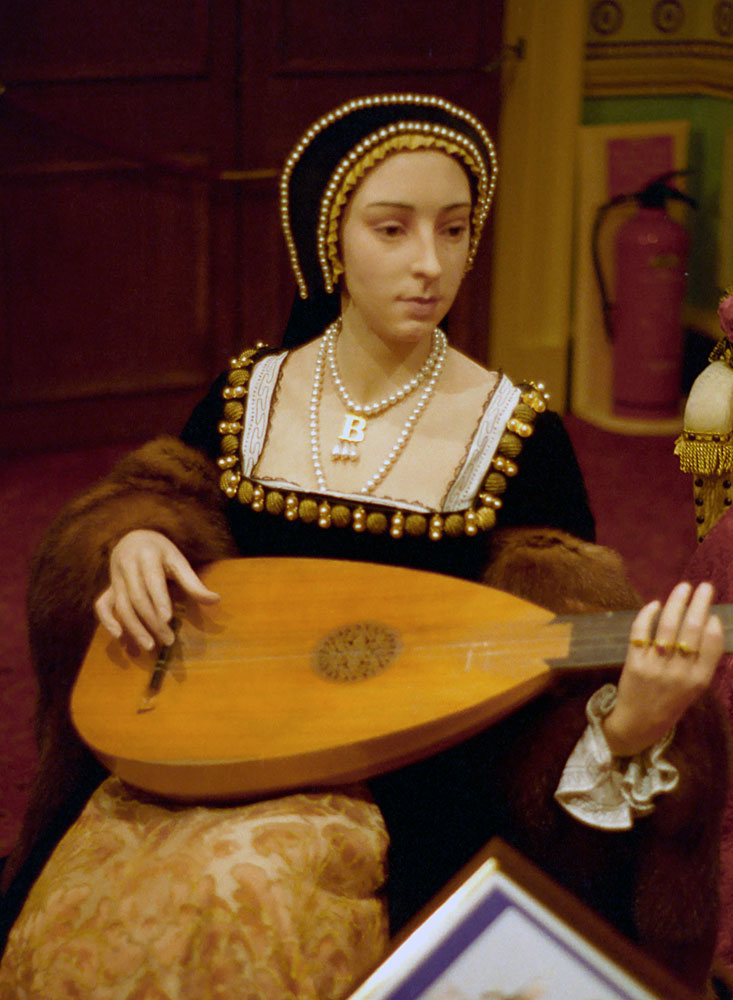
Wax figure of Anne Boleyn at Madame Tussauds London. Photo May 1998.
[This was supposed to magically appear as a pre-scheduled post as a test and it didn’t work, so here it is again. – Lara]
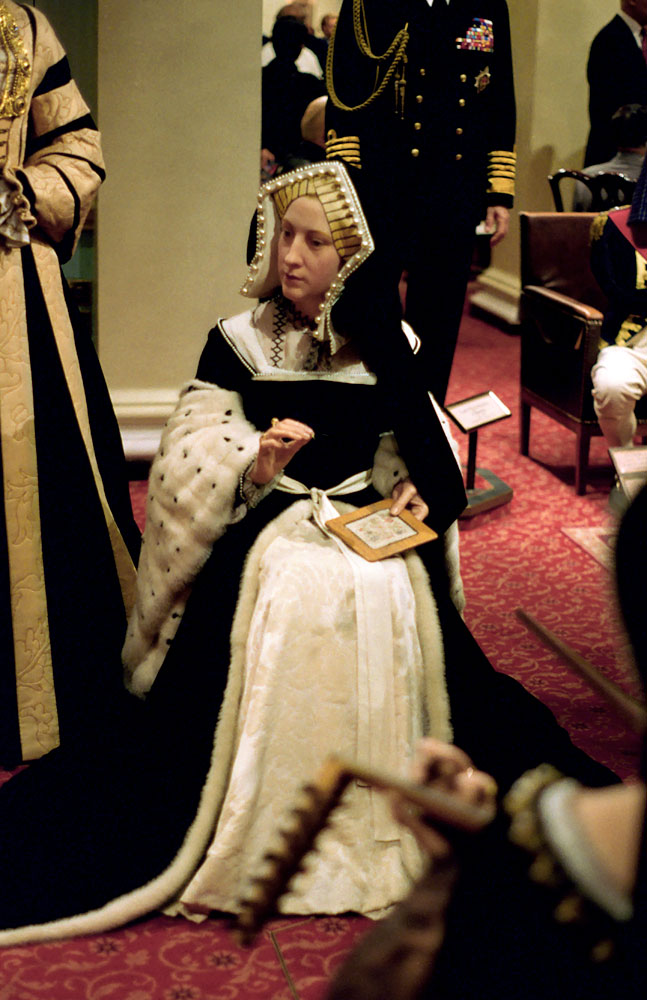
Wax figure of Catherine of Aragon at Madame Tussauds London. Photo May 1998.
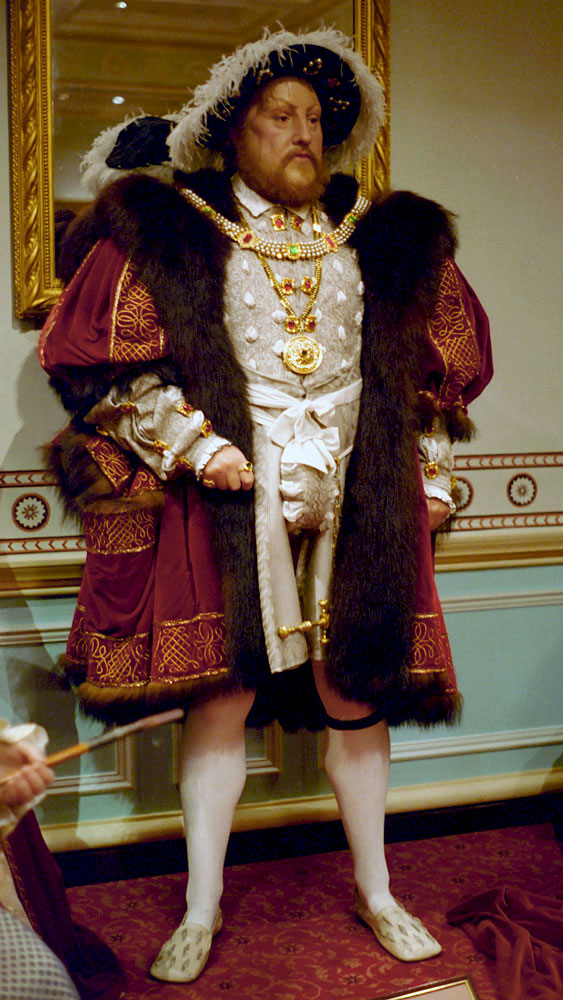
Wax figure of Henry VIII at Madame Tussauds London. Photo May 1998.

Chirk Castle in northern Wales, on the border with England. Photo May 2000.
Chirk was built in the late 13th century as part of Edward I’s conquest of Wales and has been nearly continuously occupied since then. The castle passed through many important medieval families until ending up in the hands of Thomas Stanley at the beginning of the Tudor period. After his execution, the castle became property of the crown. In 1563 Elizabeth I granted the castle to her favorite, Robert Dudley Earl of Leicester. After his death, the castle was bought by Thomas Myddelton in 1595 and his descendants have lived in the castle ever since.

The Round Tower at Windsor Castle. Photo May 1998.
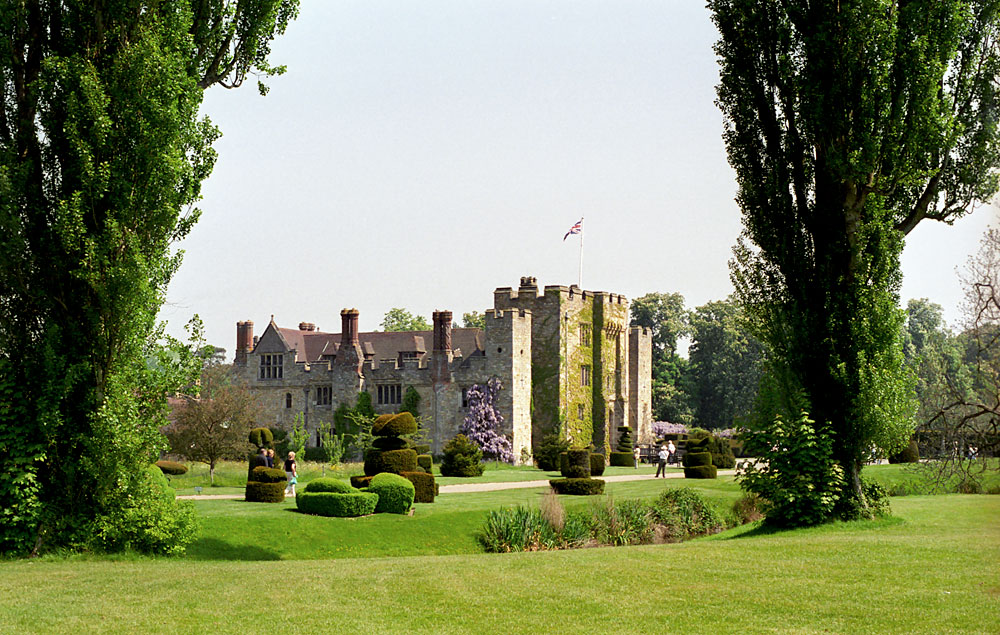
Hever Castle. Photo May 1998.

Tomb of Katherine Parr in the Chapel of St. Mary at Sudeley Castle. Photo May 1998.
Saturday is the anniversary of Katherine’s death in 1548 following the birth of her daughter Mary on August 30.
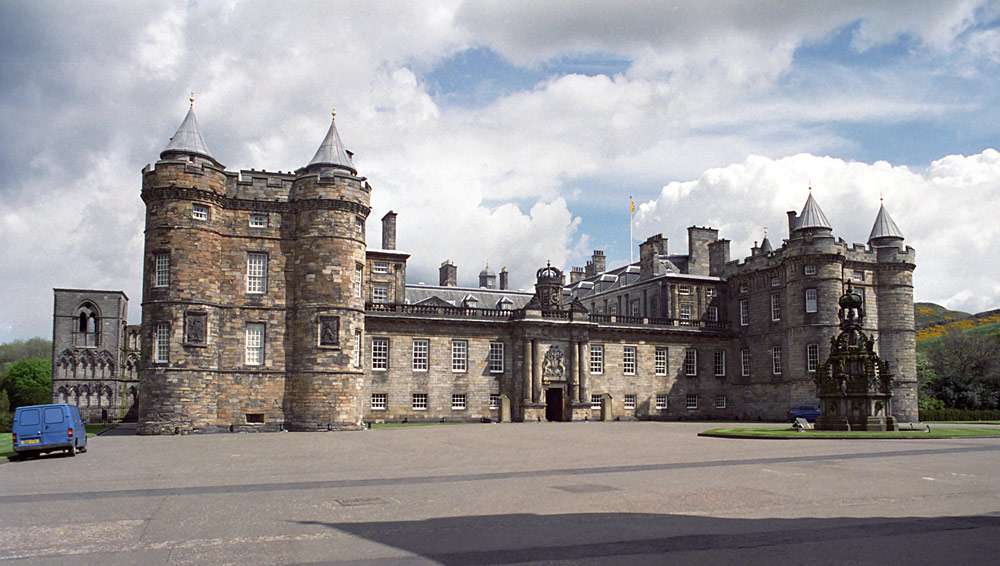
Palace of Holyroodhouse, Edinburgh, Scotland. May 2000.
Unfortunately, this is the only view I got of Holyroodhouse because they were preparing it for Prince Charles’ visit and it wasn’t open to tourists. But, as always, it just gives me an excuse to go back!
Since I accidentally re-used a photo last week, here’s a bonus:
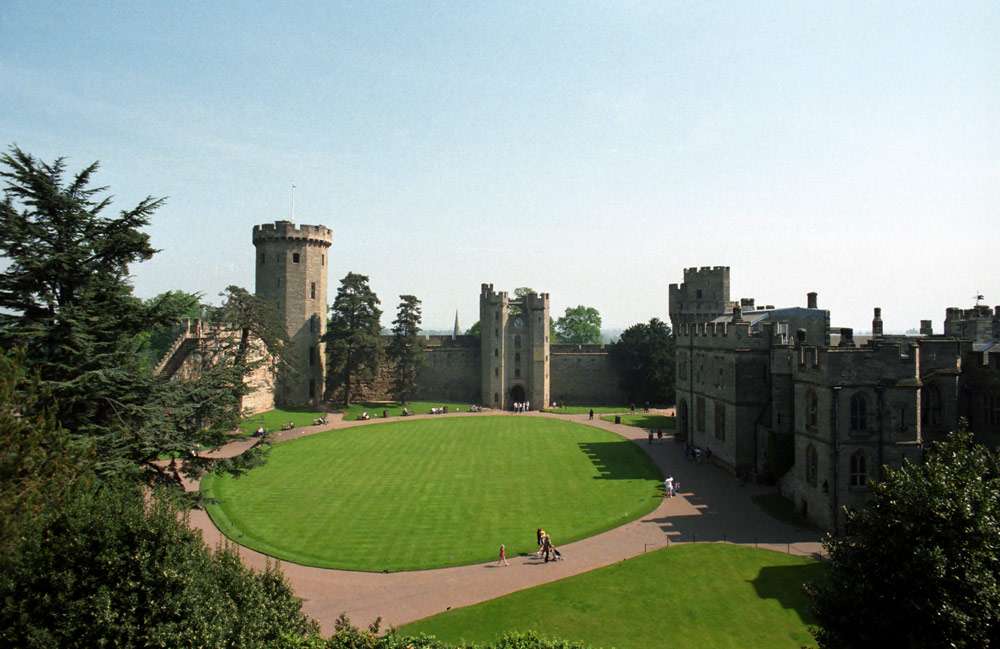
Overview of Warwick Castle from the Norman motte. Photo – May 1998.
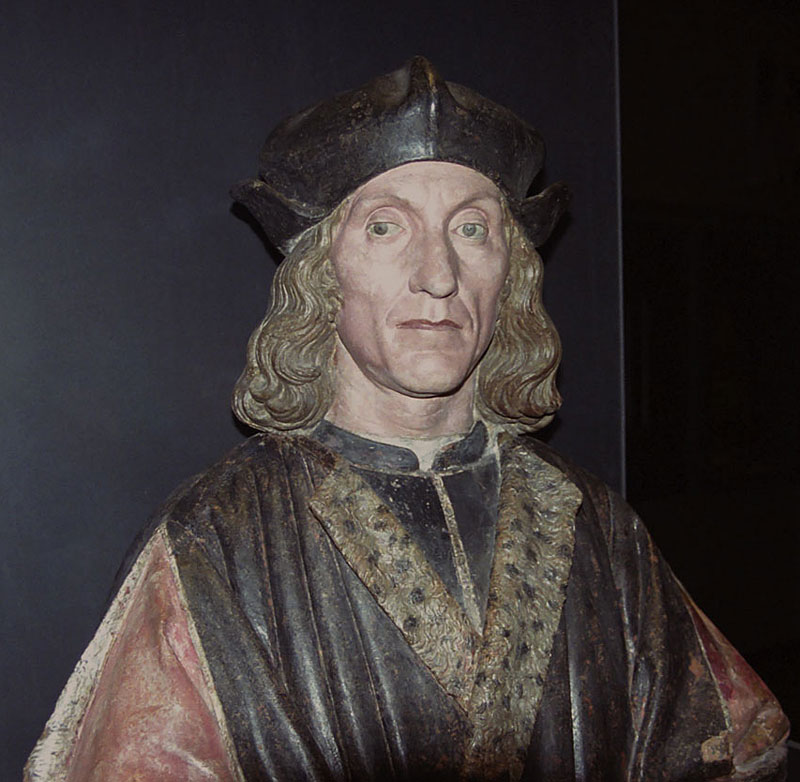
Terra cotta bust of Henry VII by Pietro Torrigiano on display at the Victoria & Albert Museum. Photo May 2003.
Torrigiano also created the effigies on the tomb of Henry VII and his wife Elizabeth of York, as well as that of his mother Margaret Beaufort.
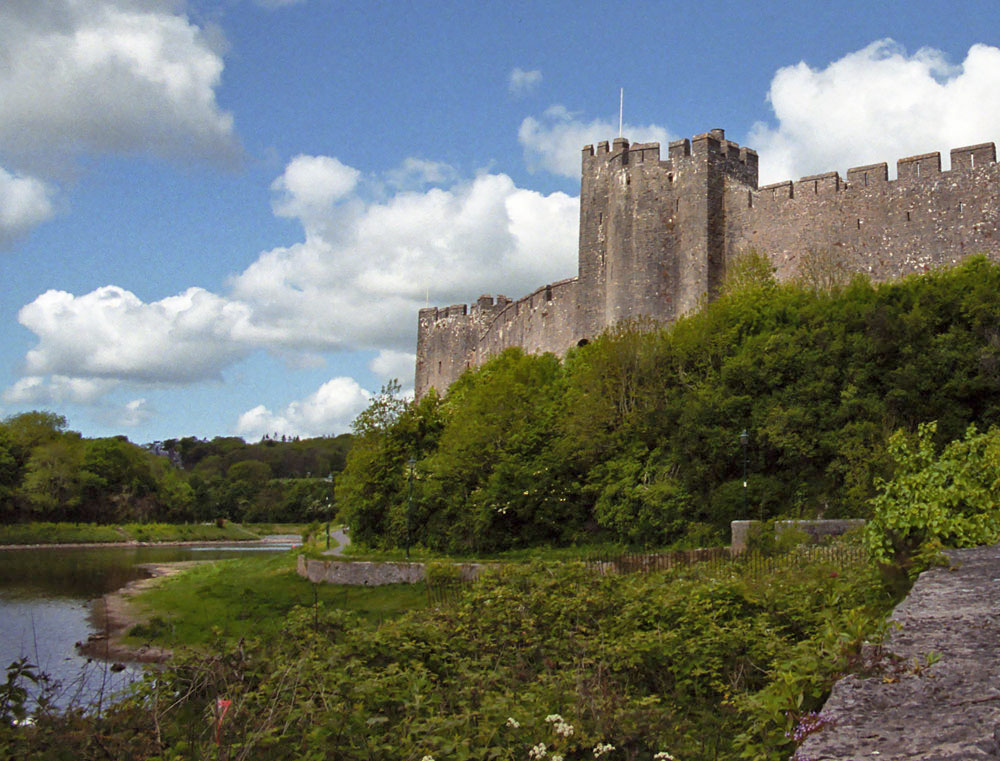
Outside the walls of Pembroke Castle, birthplace of Henry VII. May 2003.
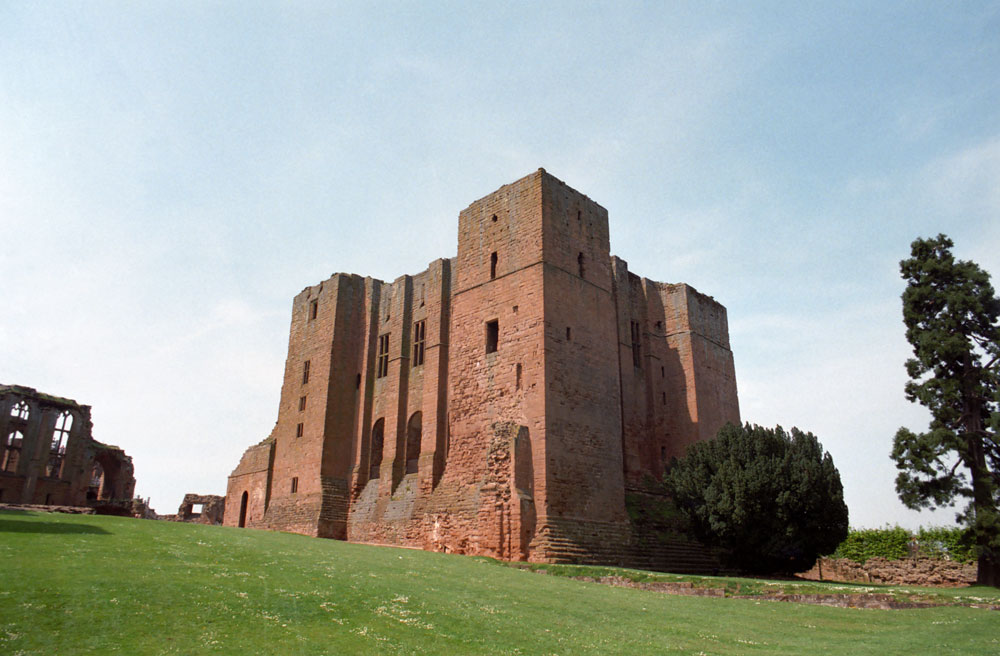
The 12th century keep at Kenilworth Castle. Photo May 1998
Kenilworth is definitely on my “re-visit” list for some future trip back to England. Besides the new Elizabethan gardens, I want to see the the finished work on the gatehouse, which was still undergoing restoration (and consequently covered in scaffolding) when I was there in 1998.

17th century embroidered jacket and painting. Victoria & Albert Museum, May 2003.
If I remember correctly, this is the earliest known example of a textile shown in a painting where both the painting and the textile still exist. It slightly post-dates the Elizabethan period – the jacket was made in 1610 and altered in 1620. The sitter is Margaret Laton and the painting is attributed to Marcus Gheeraerts the Younger.
For a better version of this image, here is a link to the page for these items at the Victoria & Albert Museum.

Longleat House. May 1998
On my first trip to the UK in 1998, I was driving west from my first stop of the adventure (Stonehenge) towards the next stop (Glastonbury) and saw the sign for Longleat and decided to drive up and take a look. I didn’t have time in my “schedule” to go in to the house, so I just snapped a few photos from the car park and rested a little before getting back on the road. I did something similar the next day in south Wales making a quick stop at Tintern Abbey. Unlike Longleat, I did actually get a second chance to visit Tintern and properly tour it in 2003.
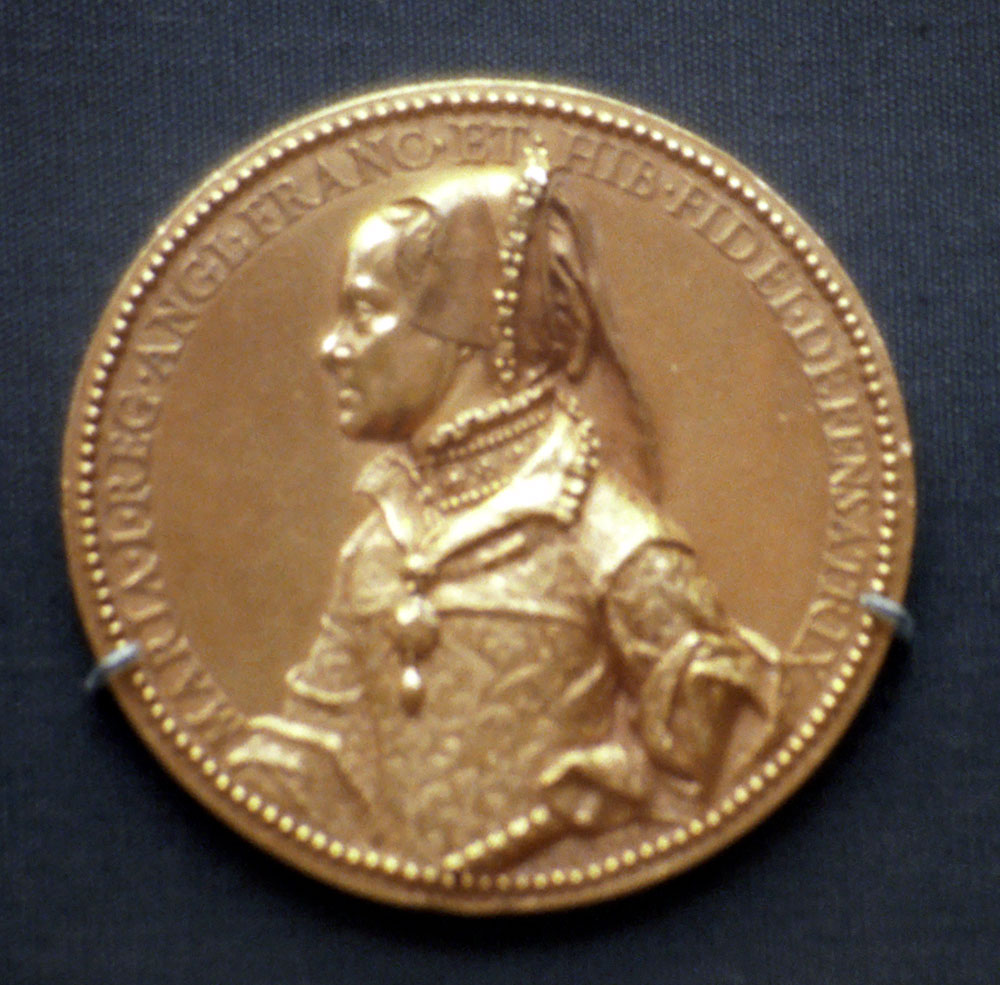
Medal with a portrait of Queen Mary I. British Museum, May 1998.
From the British Museum website page for this item:
Cast and chased gold medal of Mary I, by Jacopo da Trezzo
Brussels or London, about AD 1554-55This medal depicts Queen Mary I of England (reigned 1553-58), who was married to Philip from 1554 until her death. Having her portrait made by a Milanese medallist was part of the process of presenting herself to the world as a Habsburg bride. At about the same time, the Habsburg court portraitist, Antonis Mor (about 1516-1576), was sent to paint Mary’s portrait. Jacopo may even have gone with him to London; the images by the painter and the medallist are closely related.
The medal survives in many other silver and bronze examples. This example is the unique surviving gold specimen, which may have been commissioned by Philip as a gift to Mary.

Dover Castle. May 2003.
Part of the exhibition in Henry II’s keep at Dover Castle showing the preparations that went in to a visit by Henry VIII.

