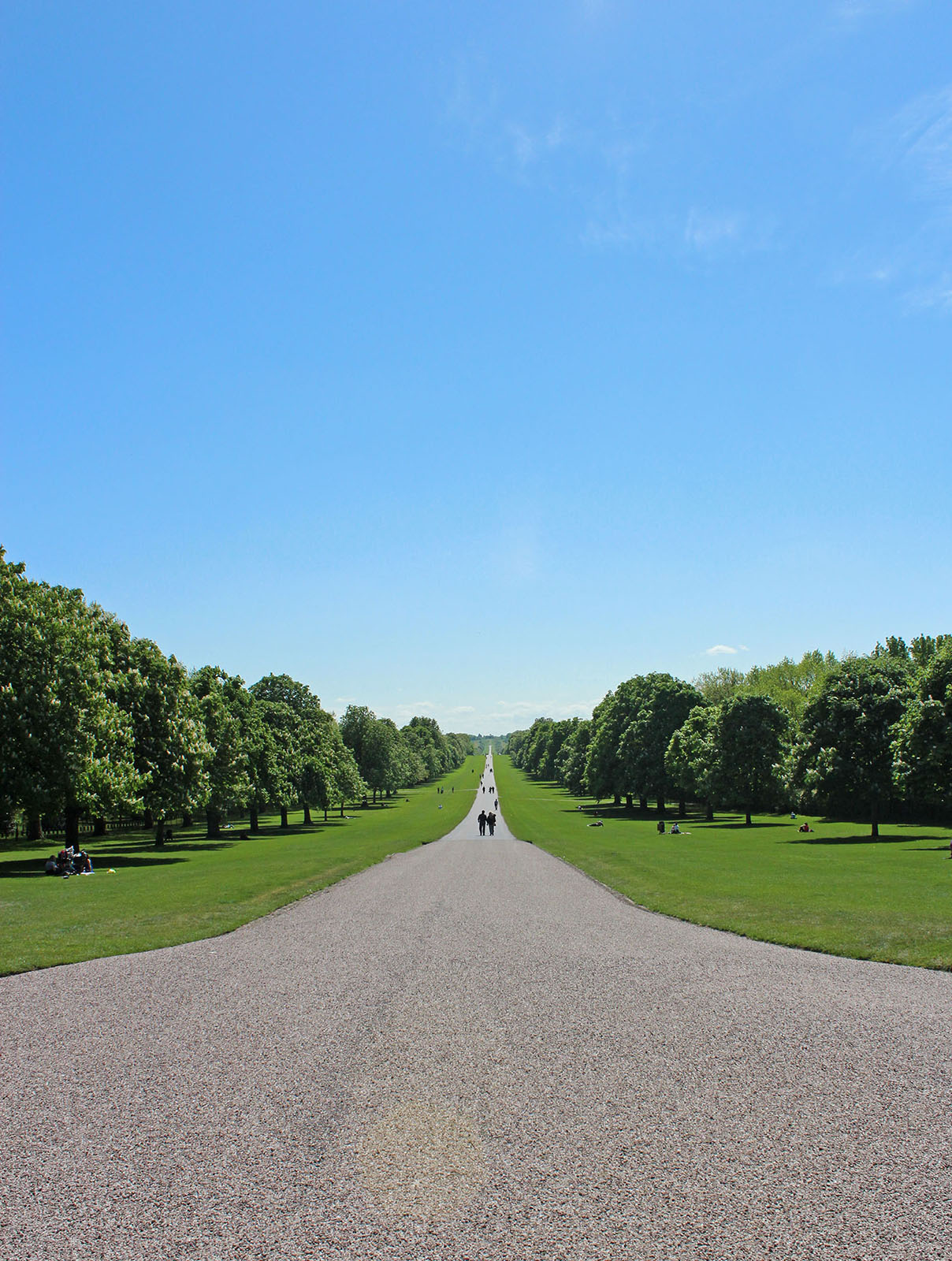
The Long Walk at Windsor Great Park. Photo May 2015.
This is the view you see with Windsor Castle behind you.
The Long Walk at Windsor Great Park. Photo May 2015.
This is the view you see with Windsor Castle behind you.
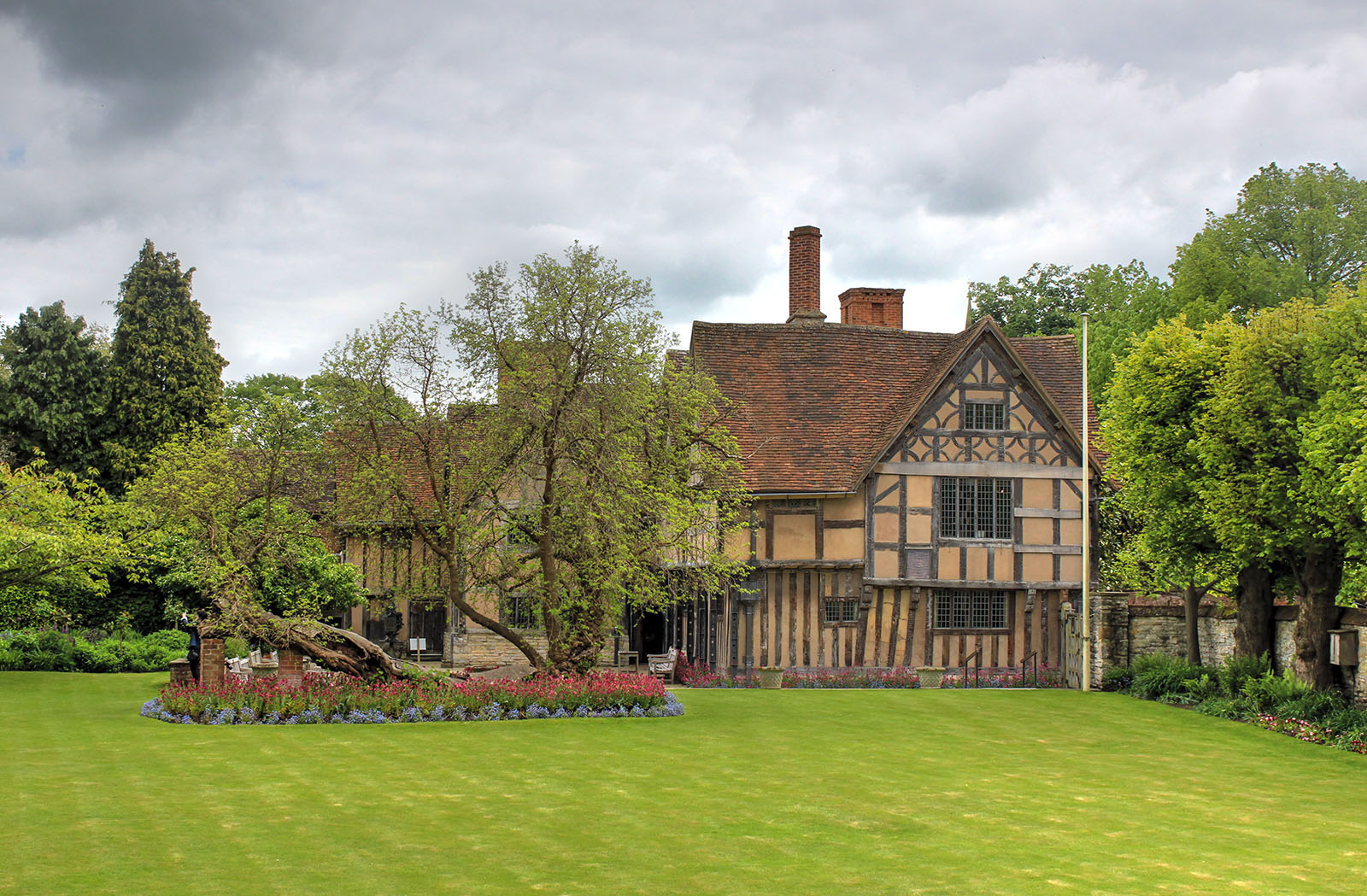
Hall’s Croft, Stratford-upon-Avon. Photo May 2015.
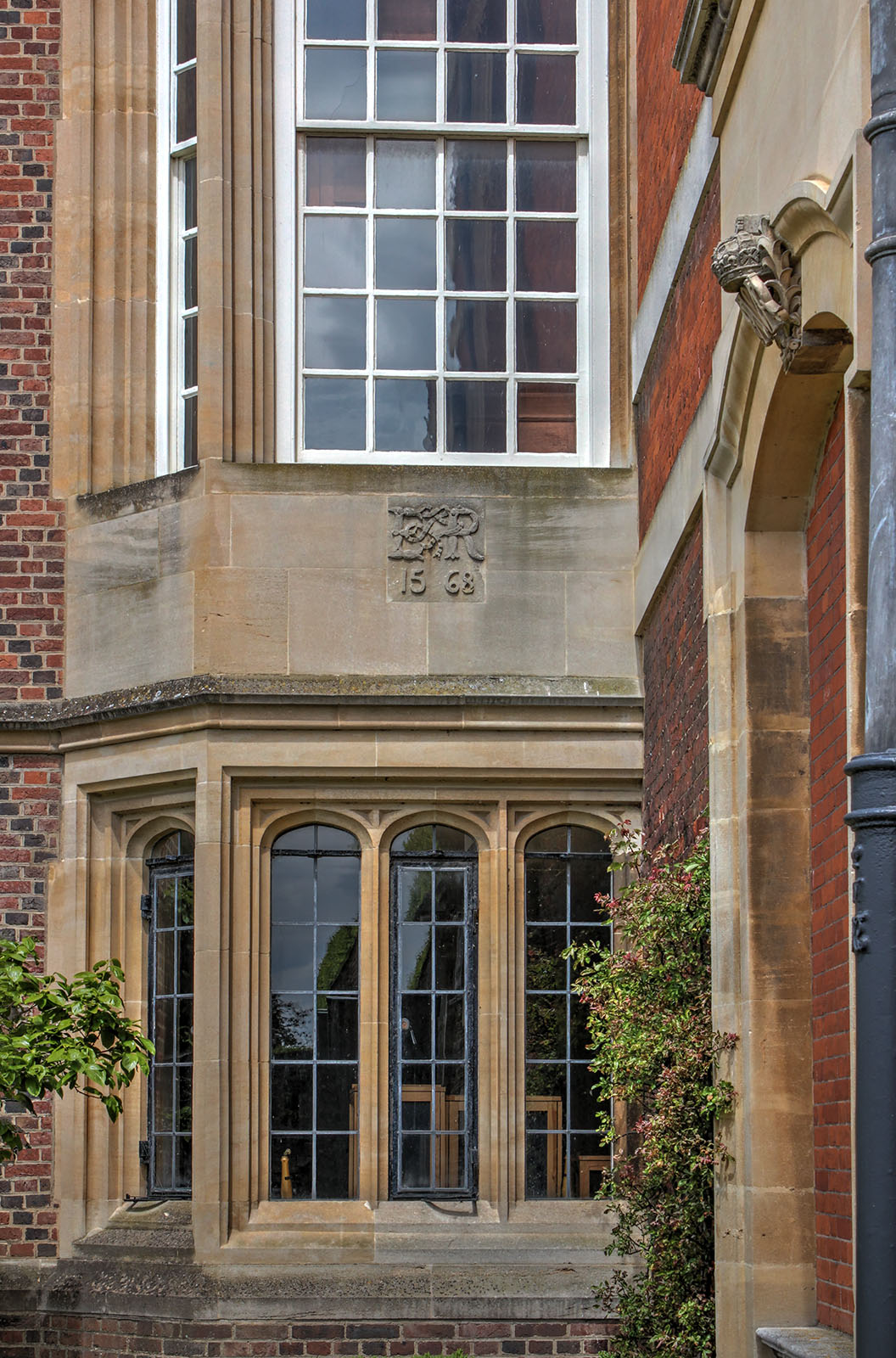
Junction of the Tudor/Elizabethan section (left) of Hampton Court Palace with the William and Mary section (right). Photo May 2015.
Sorry I missed the August round-up – things kind of got away from me after I realized the summer was 2/3rds over and I hadn’t done a lot of things I had on my to-do list (both at home and at work) before the new academic year started.
Books
Elizabeth Norton contributed Jane Seymour: Patronage, Material Culture and Image Crafting to the Routledge Lives of Royal Women series, and it was released back in July in both the UK and the US. Since this is “academically priced”, I’ve linked to the paperback version (which is still pretty pricey!).
Henry VIII’s Quest for an Heir: The King’s Great Matter by Helene Harrison was originally due out at the end of August in the UK but has been pushed back to the end of September. It’s due to be released at the end of October in the US.
New Exhibition
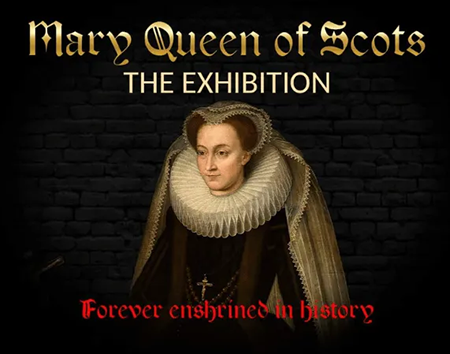
Peterborough Cathedral, the original burial place of Mary Queen of Scots, will have an exhibition about the queen that will run from September 15, 2026 to November 15, 2026. More information and ticket sales are available at this link.
Continuing Exhibition
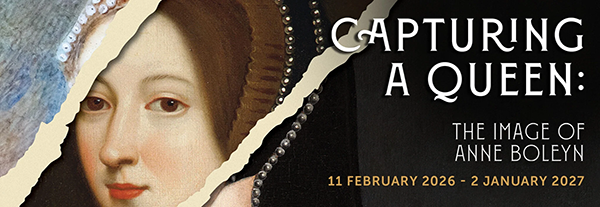
Hever Castle is hosting a new exhibition, Capturing a Queen: The Image of Anne Boleyn which “brings together the largest ever gathering of portraits believed to depict Anne Boleyn, including a ground-breaking newly identified contemporary image unveiled for the first time.” The exhibition will run from February 11, 2026 to January 2, 2027 and is included with admission to the castle.
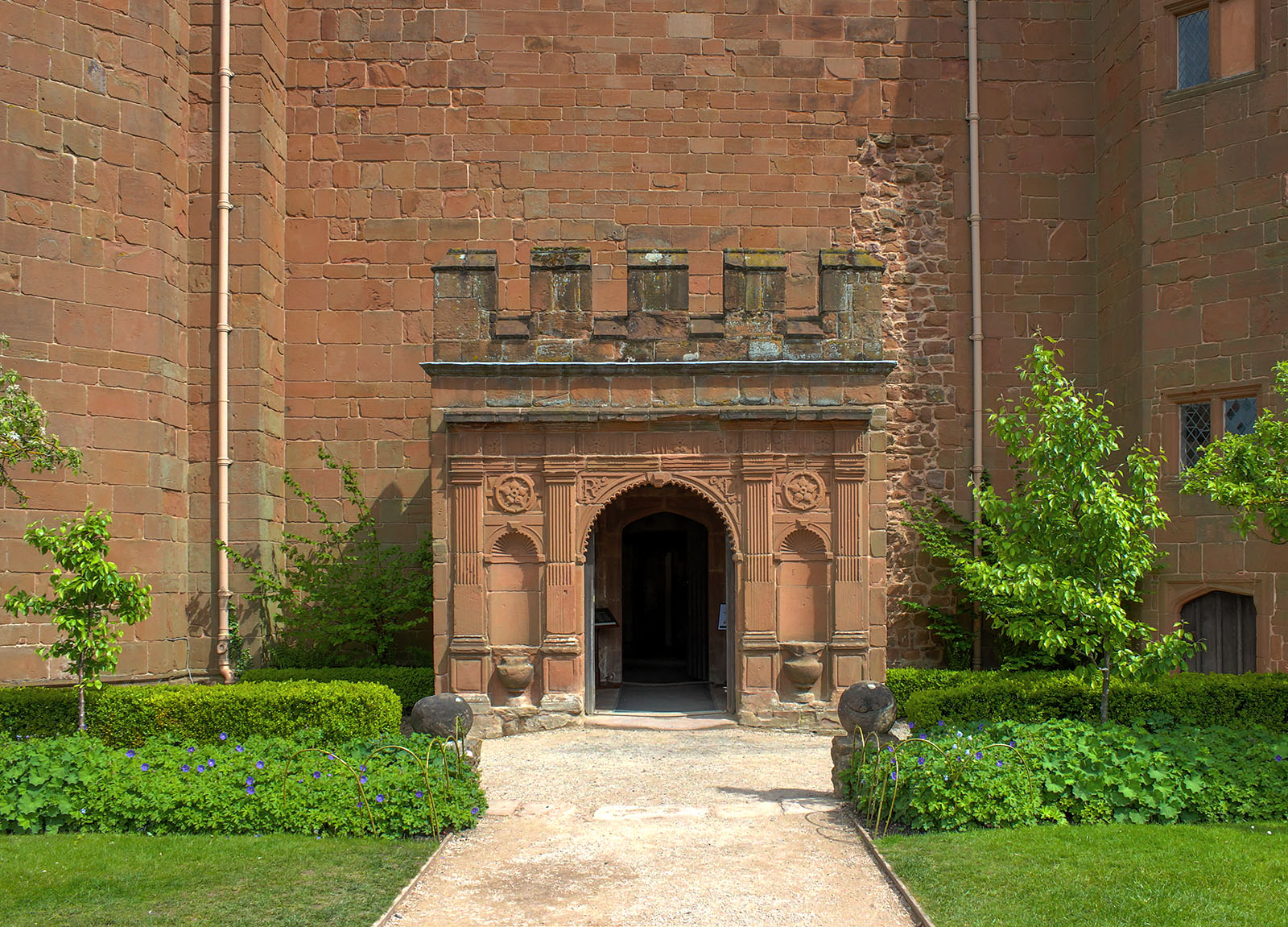
Entrance to Leicester’s Gatehouse at Kenilworth Castle. Photo May 2015.
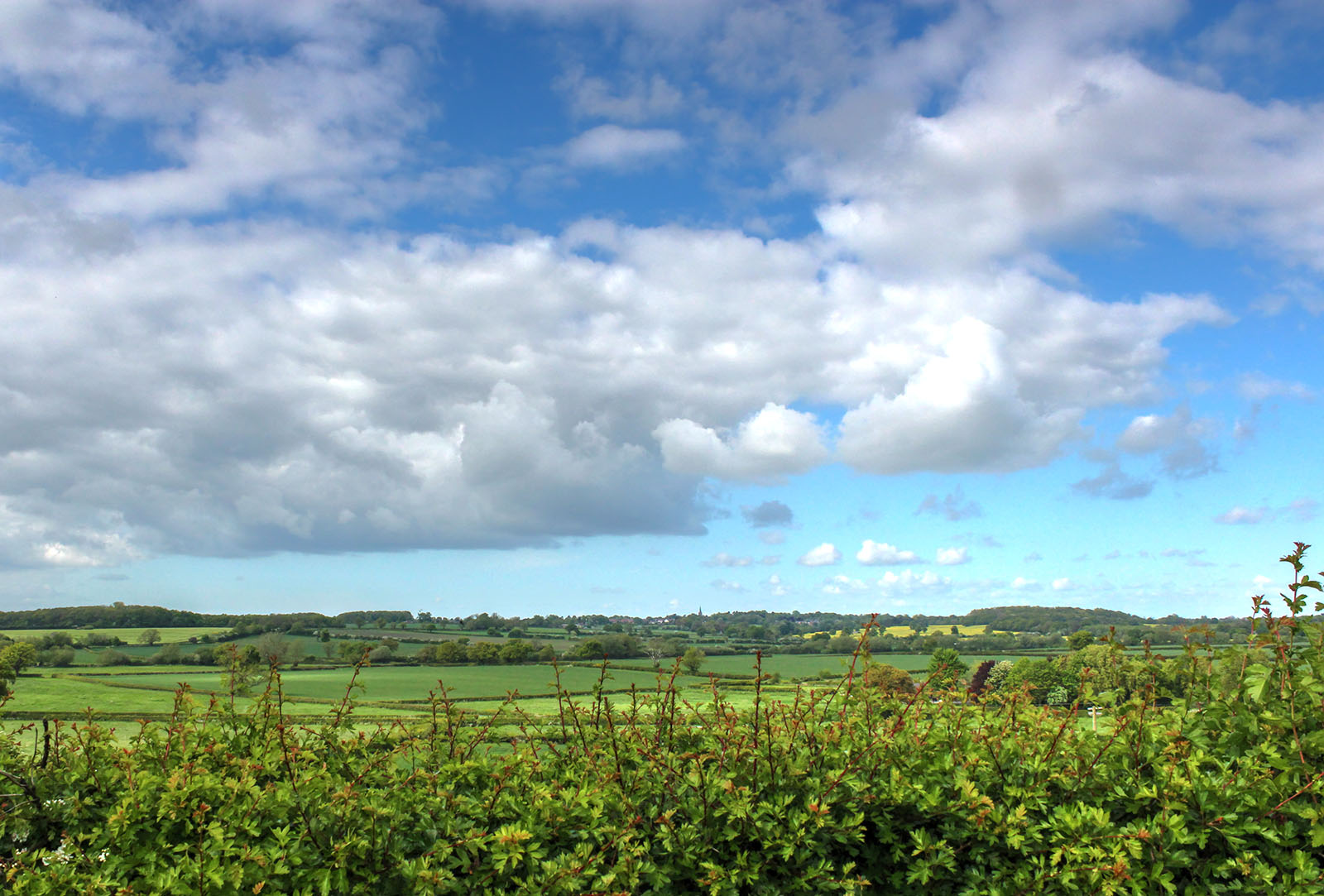
View on the Bosworth Battlefield trail. Photo May 2015.
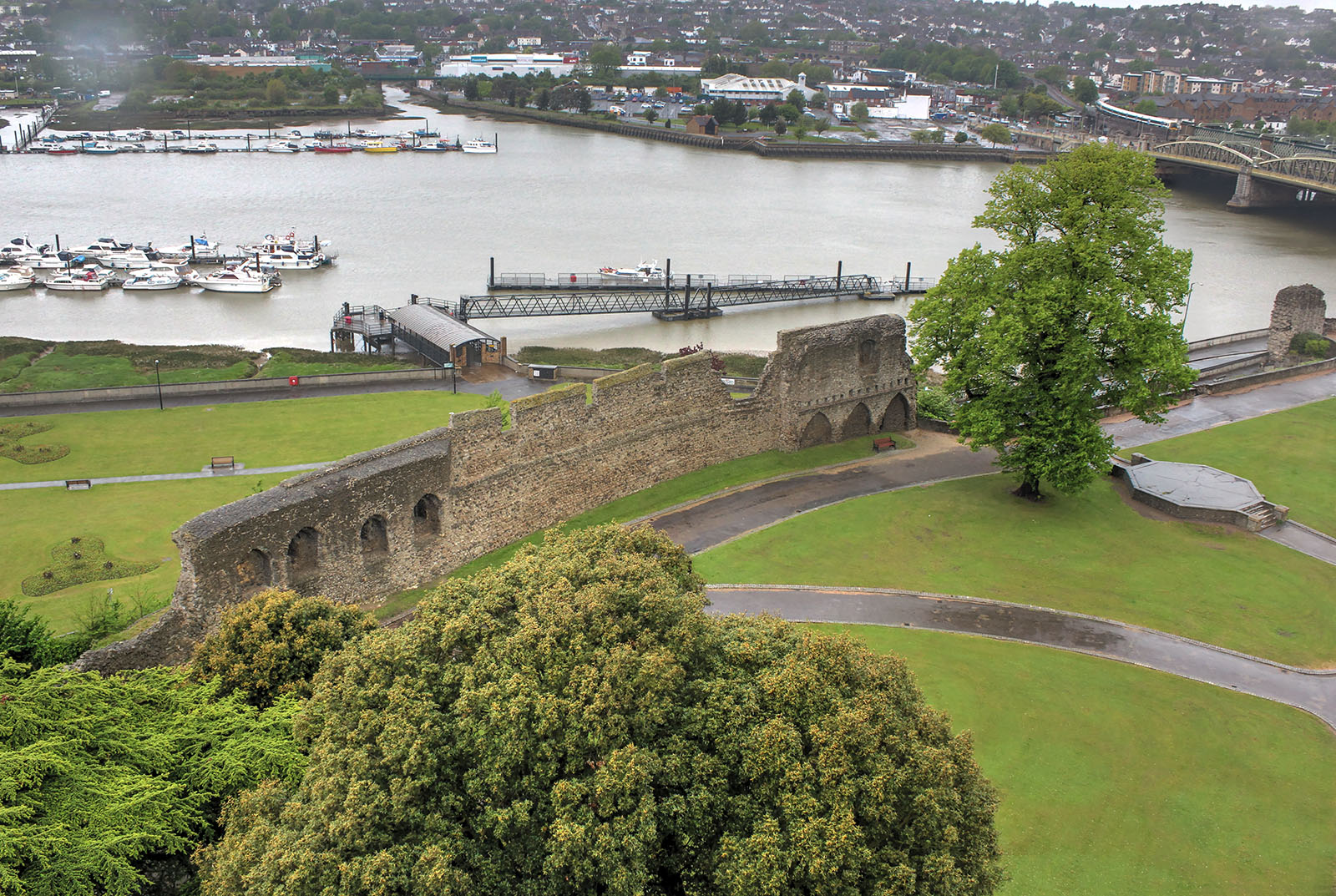
The River Medway and the outer wall of Rochester Castle from the top of the castle’s keep. Photo May 2015.
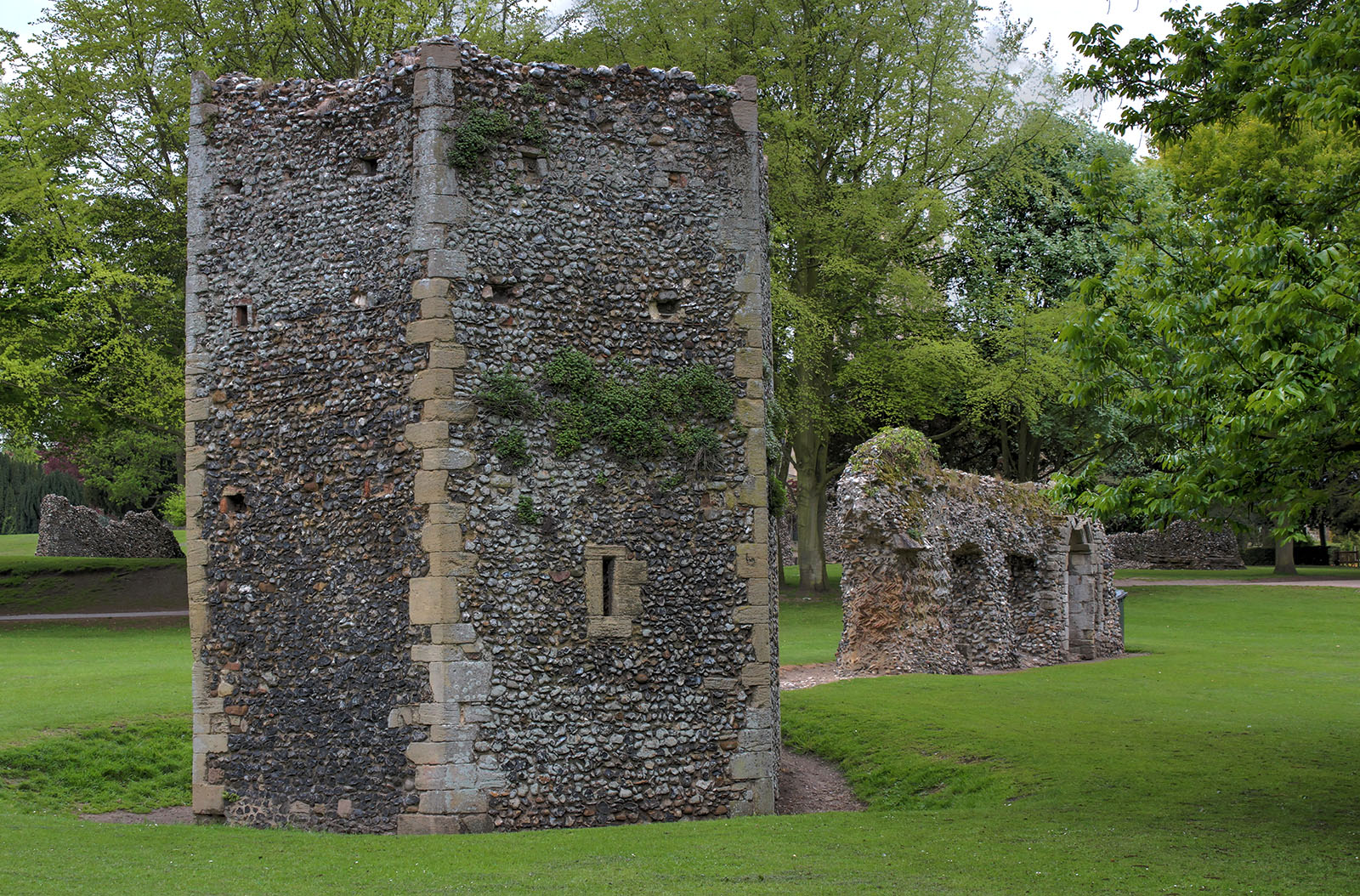
Ruins of the Abbey of Bury St Edmunds. Photo May 2015.
The Abbey of Bury St Edmunds was the original burial place of Mary Tudor, Queen of France and Duchess of Suffolk (sister of Henry VIII) before the Dissolution.
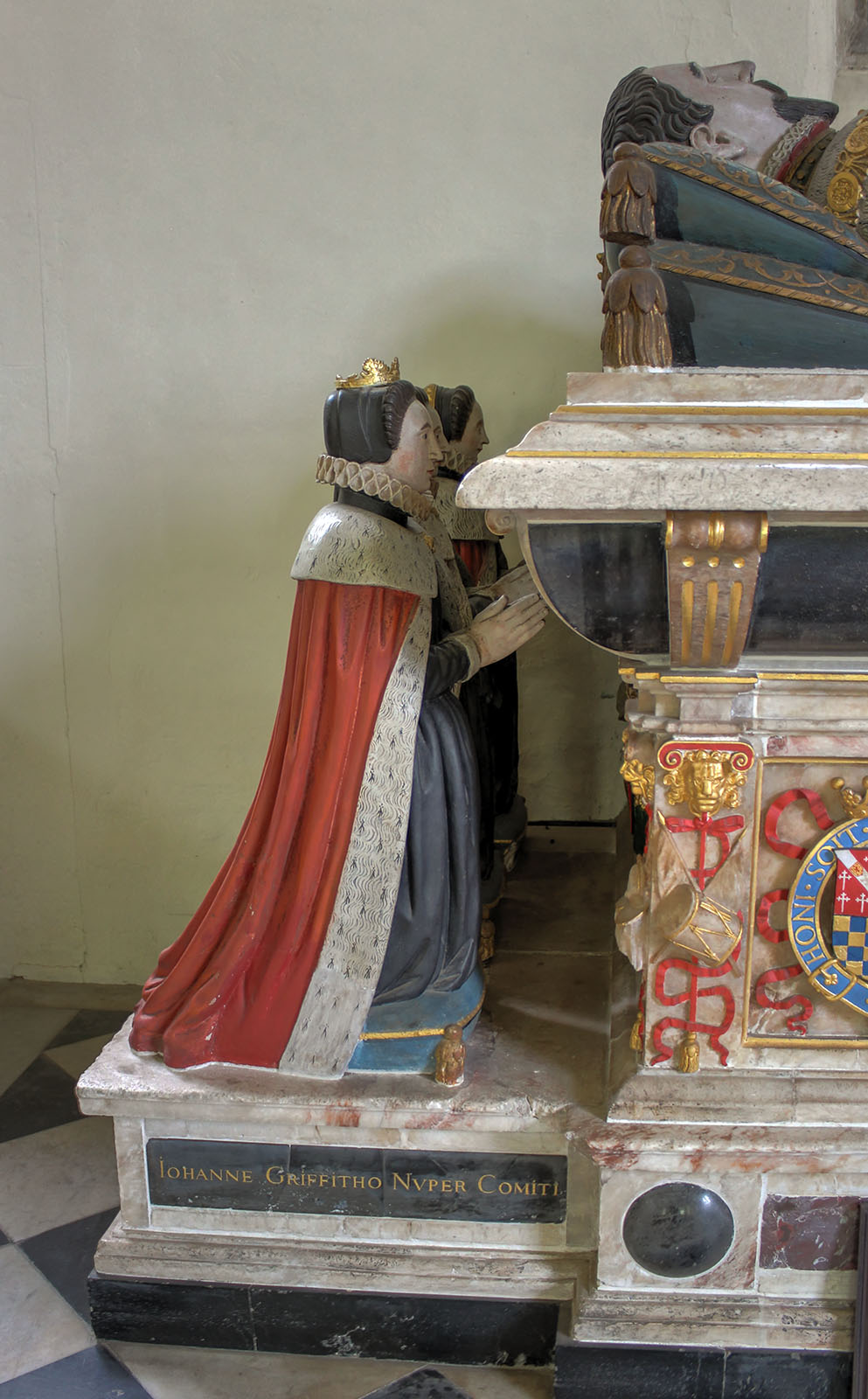
Effigies of the daughters of Henry Howard, Earl of Surrey on his tomb at St. Michael’s, Framlingham. Photo May 2015.
A companion to last week’s picture. It’s hard to tell from the angle of my photo, but all three of the Earl’s daughters are represented on the tomb.
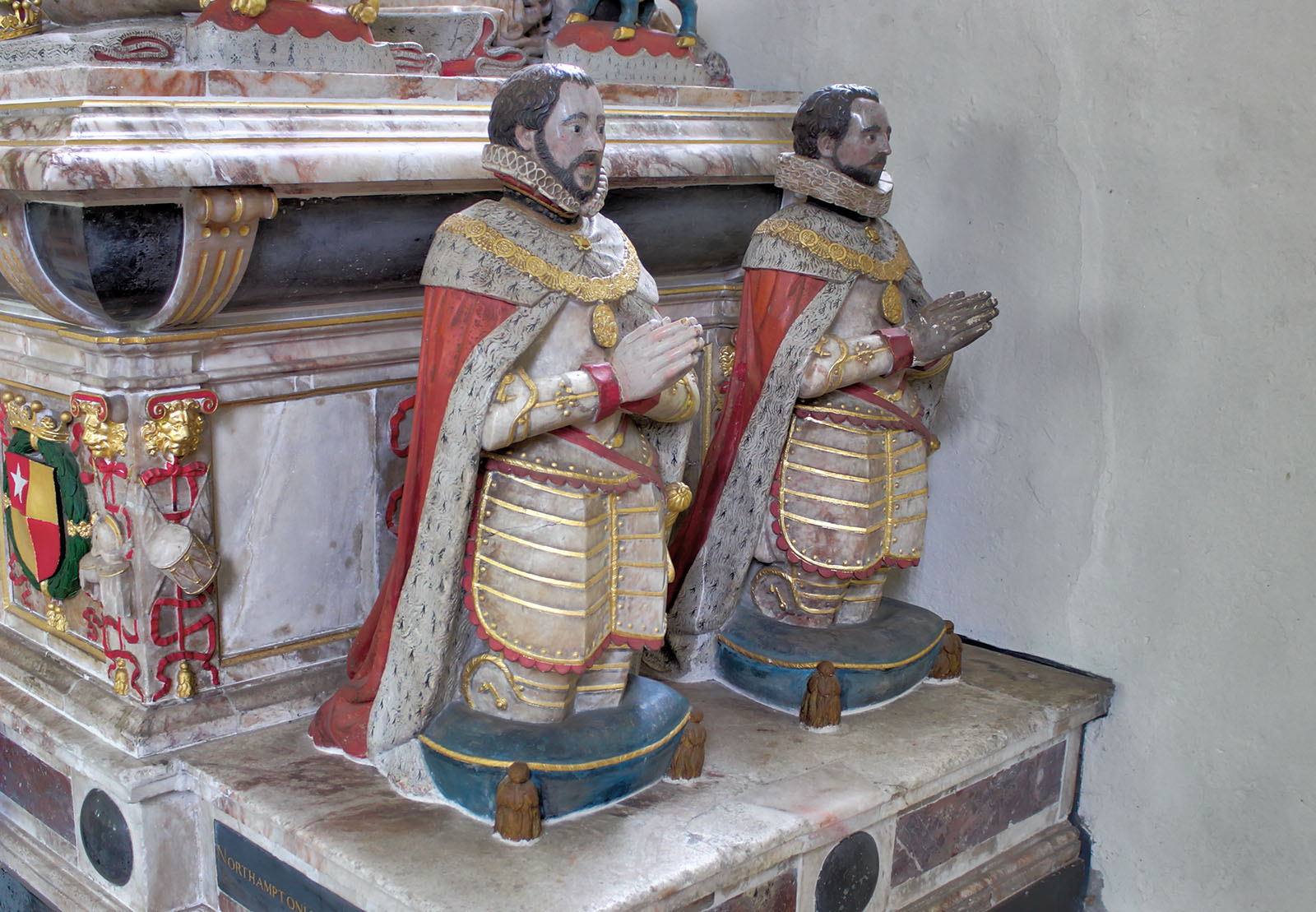
Effigies of the sons of Henry Howard, Earl of Surrey on his tomb at St. Michael’s, Framlingham. Photo May 2015.

Arms of Catherine of Aragon at Peterborough Cathedral. Photo May 2015.
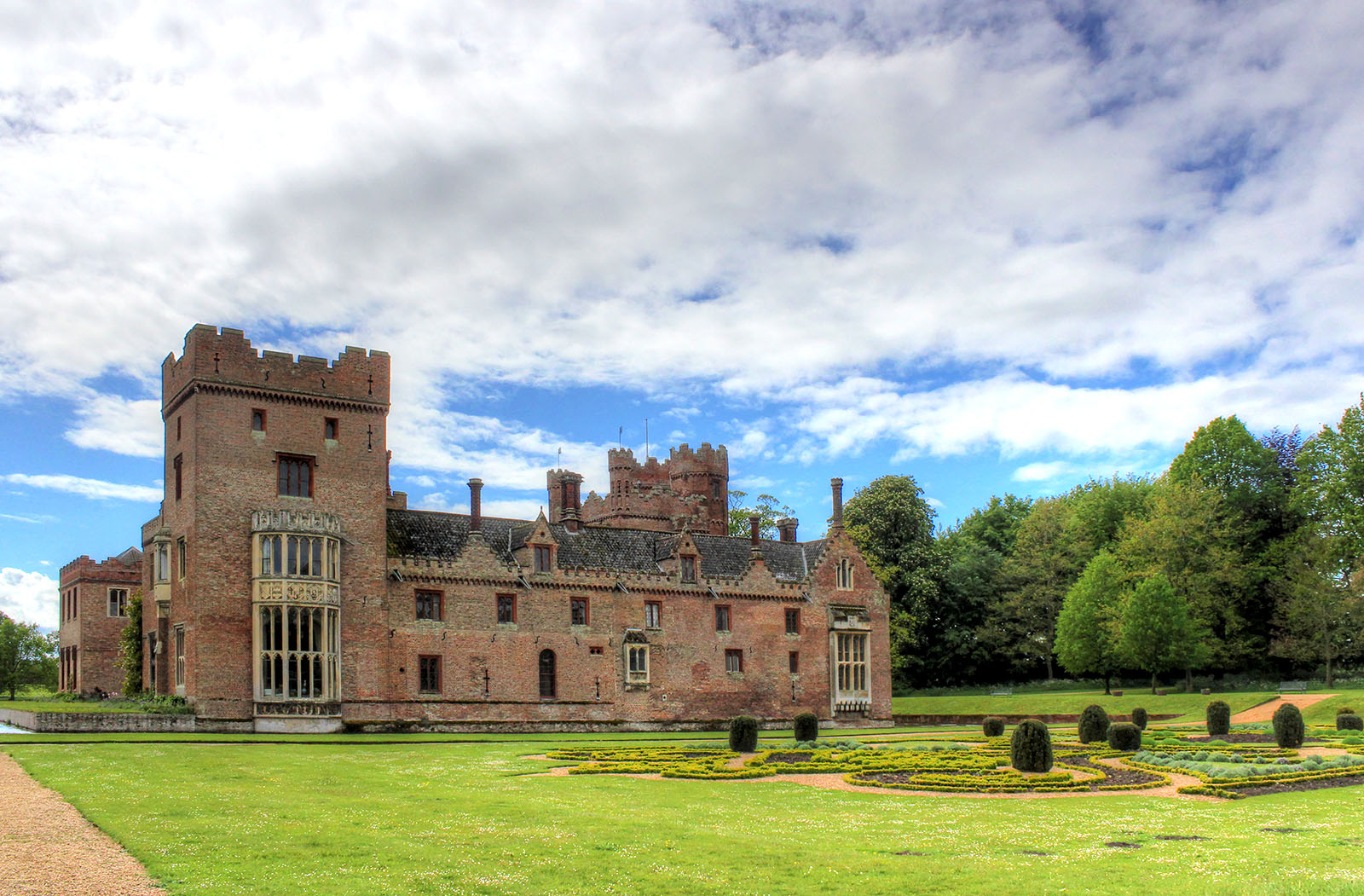
Oxburgh Hall. Photo May 2015.
Sorry this is a little late! I was actually off work this past week but got pulled into other things (which I’ll fully admit included watching the World Cup and Wimbledon) so I just got to it today.
Books
Just one book this month, an academic biography of Anne of Cleves by Valerie Schutte – Anne of Cleves: The Historical and Cultural Legacy of a Queen, part of the Routledge “Lives of Royal Women” series. It was released this past week in both the US and the UK.
Events
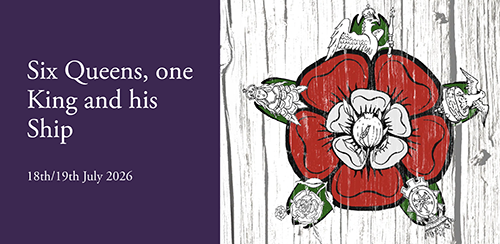
Sorry for the short notice on this one – it managed to get past me until I got an email about it! (That’s the drawback of stepping away from some of the social media platforms, unfortunately.) The Mary Rose Trust will be launching its first history festival Six Queens, One King and His Ship coming up on July 18 & 19. And there is an online option for those who can’t attend in person!
About the event:
This July, the Mary Rose will host a two-day fundraising event to help raise funds for the continuing work of the Trust. It will see a unique gathering of leading Tudor historians each telling the story of one of Henry’s Queens. Alongside the day of talks on the 18 July, there will be a commemoration of the sinking of The Mary Rose on the 19 July with a Service of Remembrance at the twelfth century Portsmouth Cathedral, followed by a boat trip to the wreck site in The Solent.
You can book tickets at the link above!
Continuing Exhibitions
Ending soon!
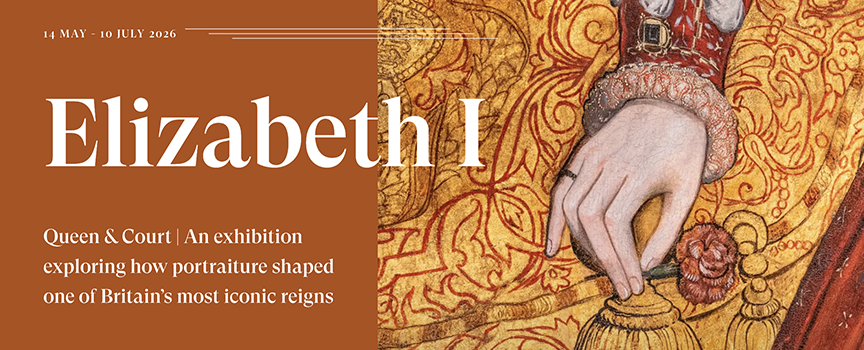
Philip Mould & Company has an exhibit Elizabeth I: Queen & Court currently on display, which opened in May and will run through July 10, 2026. Be sure to also download the PDF exhibition catalogue!
Hever Castle is hosting a new exhibition, Capturing a Queen: The Image of Anne Boleyn which “brings together the largest ever gathering of portraits believed to depict Anne Boleyn, including a ground-breaking newly identified contemporary image unveiled for the first time.” The exhibition will run from February 11, 2026 to January 2, 2027 and is included with admission to the castle.
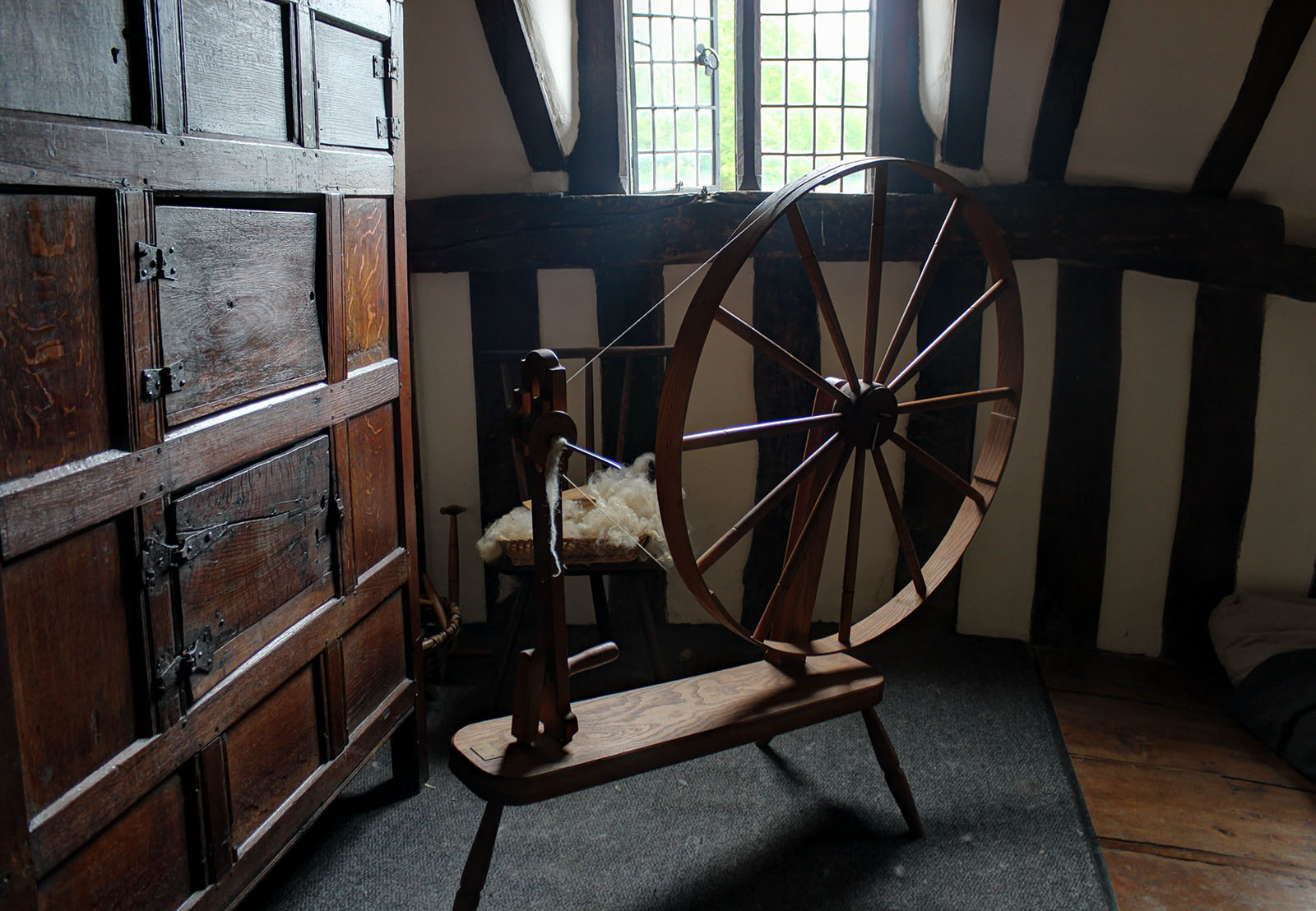
Spinning wheel in Palmer’s Farmhouse at Mary Arden’s Farm, Wilmcote, near Stratford-upon-Avon. Photo May 2015.
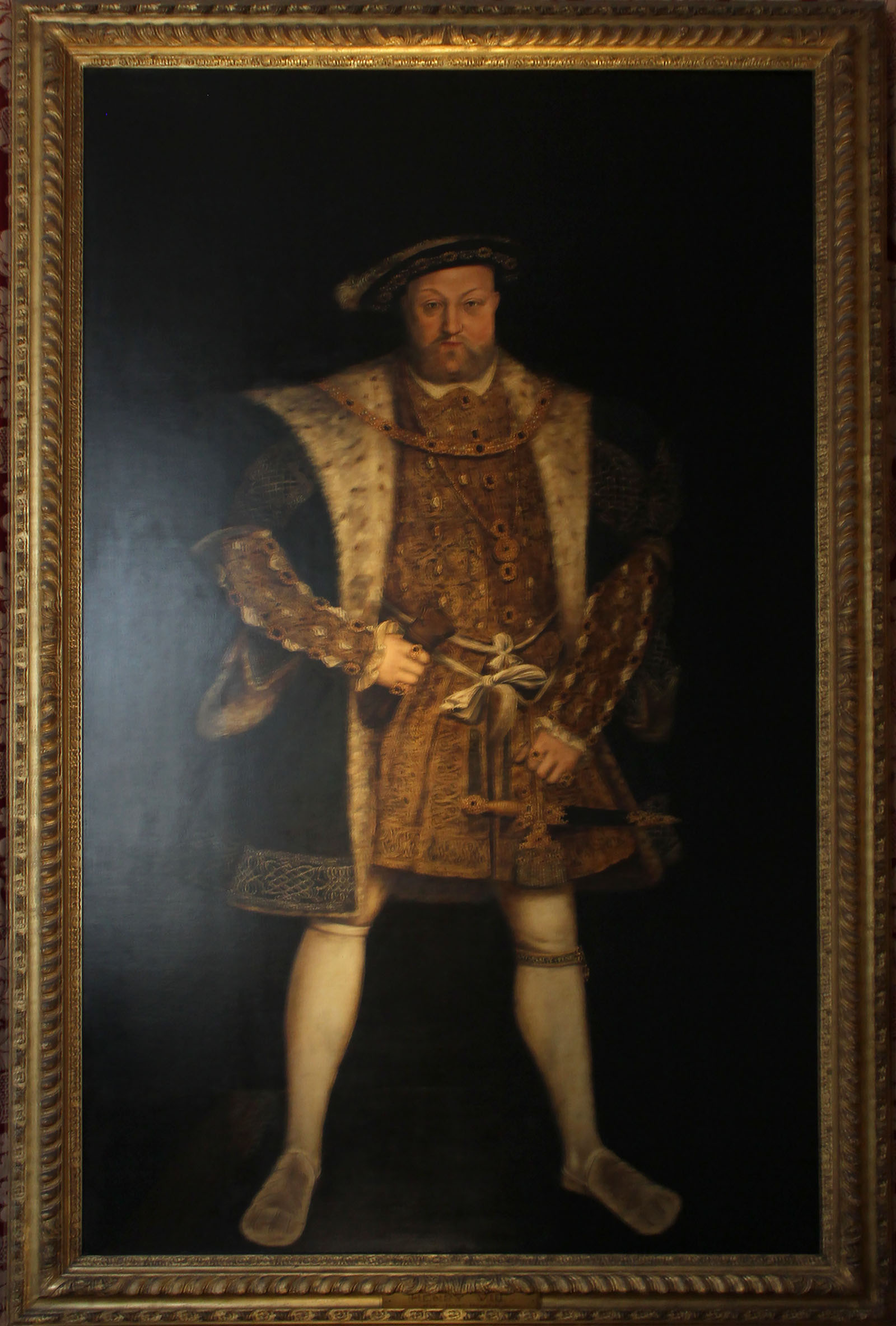
Painting of Henry VIII at Hampton Court Palace. Photo May 2015.
I know I just used a pic from Hampton Court last week, but I realized that today is Henry VIII’s birthday and this is one of the few pictures of Henry VIII that I haven’t used yet. (Mostly because of the glare and the blur, so I was trying to decide whether to use it at all…)
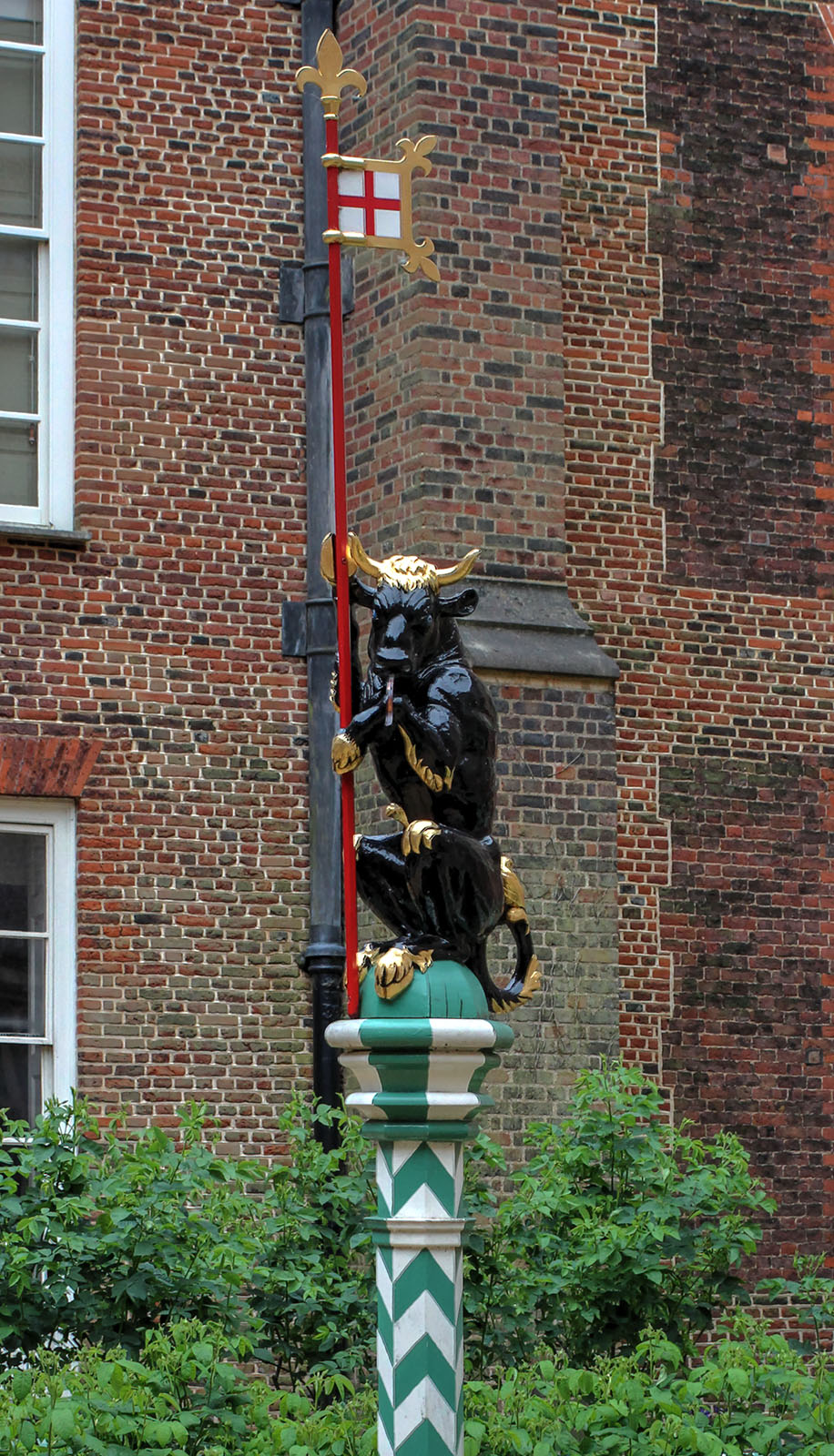
Black bull heraldic beast in the Chapel Court Garden at Hampton Court Palace. Photo May 2015.
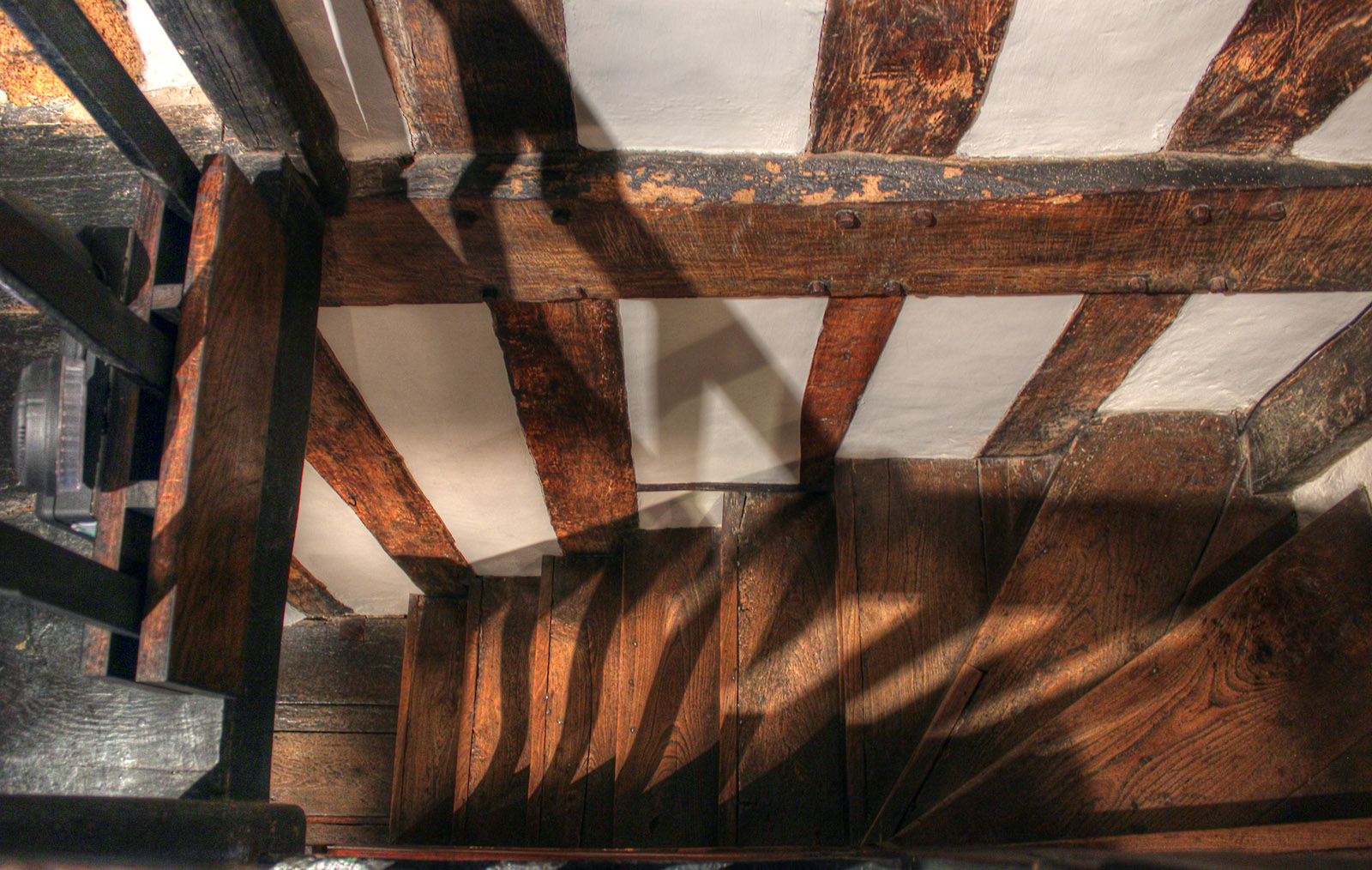
Staircase in Harvard House, Stratford-upon-Avon. Photo May 2015.
Another example of my well-documented love of old wooden staircases.
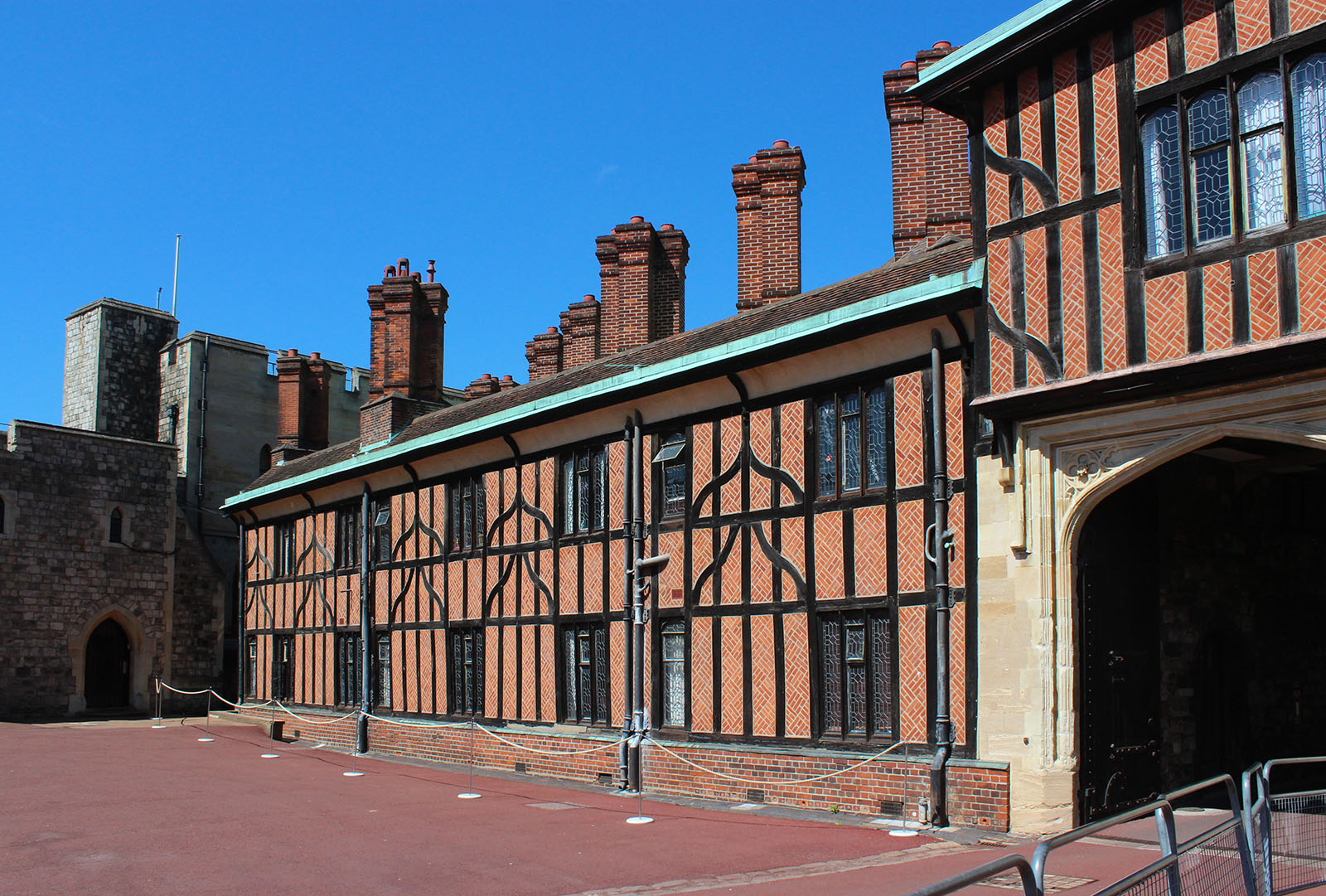
Part of the Horseshoe Cloister of Windsor Castle. Photo May 2015.
This area of the castle was built right before the Tudor period and was rebuilt in the Victorian era.
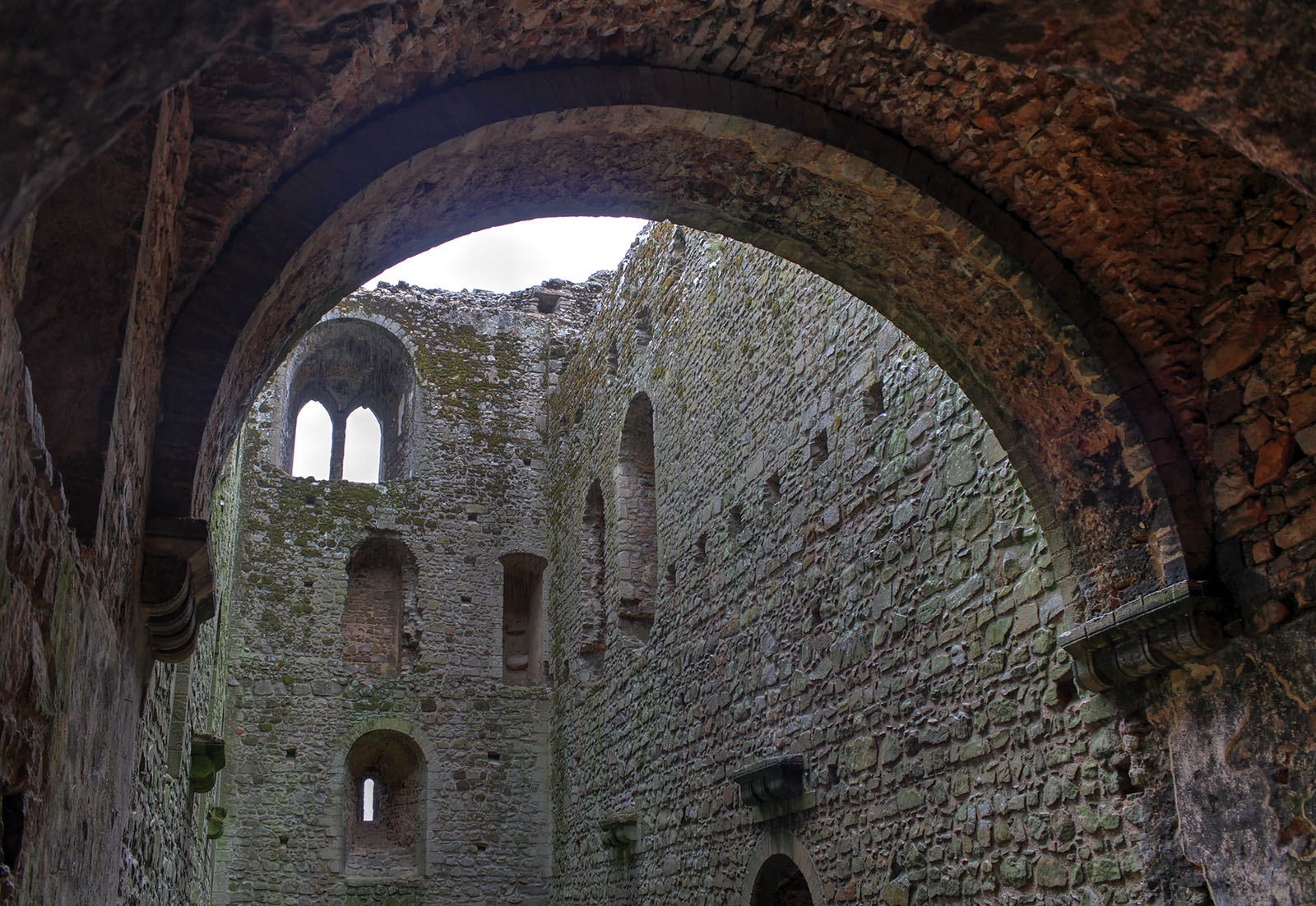
Castle Rising Castle, Norfolk. Photo May 2015.
Welcome to northern hemisphere summer! While I don’t really like the heat down here in Texas during these months, I do like the lighter traffic while the kids are out of school. 😉
Books
I have a couple of books that I’ve missed from previous months that I stumbled across –
First up is The Story of Tudor Art: A History of Tudor England Through its Art and Objects by Christina J. Faraday that came out last fall in the UK and in May of this year in the US. I’m not sure how this one got past me!
And I also missed Sylvia Barbara Soberton’s Mary Boleyn: The Queen’s Slandered Sister that came out in May in the UK and will be out in the fall in the US.
And Sean Cunningham’s Henry VII: Treason and Trust (from the Penguin Monarchs Series) was released in the spring in the UK and will be out in mid-June in the US.
New Exhibition
Well, sort of “new” since it actually opened last month, but I missed it –
Philip Mould & Company has an exhibit Elizabeth I: Queen & Court currently on display, which opened in May and will run through July 10, 2026. Be sure to also download the PDF exhibition catalogue!
Continuing Exhibition
Hever Castle is hosting a new exhibition, Capturing a Queen: The Image of Anne Boleyn which “brings together the largest ever gathering of portraits believed to depict Anne Boleyn, including a ground-breaking newly identified contemporary image unveiled for the first time.” The exhibition will run from February 11, 2026 to January 2, 2027 and is included with admission to the castle.

